Directed by Stanley Kubrick in 1975, Barry Lyndon follows a young Irishman trying to rise through 18th-century European society. This guide brings together the main pathways for studying the film.
The Film and Its Two Major Parts
Barry Lyndon loosely adapts William Makepeace Thackeray’s The Luck of Barry Lyndon. Redmond Barry, played by Ryan O’Neal, leaves his Irish surroundings and experiences military life, alliances, and social opportunities before joining the Lyndon family. The film is divided into two major parts that depict his rise and the consequences of his new position. Michael Hordern’s narration introduces foreshadowing and commentary that change the relationship between what the protagonist expects and what the viewer knows.
The story brings together family relationships, changes in fortune, and public forms of recognition. To follow the character, it helps to start with Redmond Barry’s journey and then consider the room for agency available to Lady Lyndon and the conflict with Lord Bullingdon. These pages explore different relationships: social ambition, domestic authority, and inheritance. The film can also be read through Bryan’s childhood and the secondary figures who shape Barry’s movements.
The film is commonly titled Barry Lyndon, although the source novel and its editions have circulated under different names. These literary titles should not be confused with alternate cuts of the film. Age classifications depend on the country, date, rating body, and version; a U.S. rating does not automatically apply in other markets.
Two Ways In: Duels and the Narrator
The duels at the beginning and near the end make it possible to compare a situation in which Barry tries to assert his position with another in which his choices have family and material consequences. The staging pays attention to turns, distances, and waiting. Violence is subject to social conventions that do not eliminate its risks. Other military and domestic episodes show people exposed to orders or relationships of dependence, without all of them amounting to the same kind of confrontation.
The narrator’s voice offers a second route. Its foreshadowing can remove the surprise from an event and shift interest to the way it unfolds. This distance changes how gestures, silences, and promises are perceived. Barry and Lady Lyndon’s courtship lets us observe how the gaze and music can take the place of an extended verbal explanation. Gender roles and social critique emerge from specific positions within families, armies, and salons, rather than from a single thesis voiced by a character.
Controversies and historical reception should be studied through dated documents. A negative review, a delayed release, or a distribution decision does not, on its own, prove institutional censorship. This guide points readers toward detailed studies without attributing the same exhibition history to every country.
Cinematography, Music, and the Making of the 18th Century
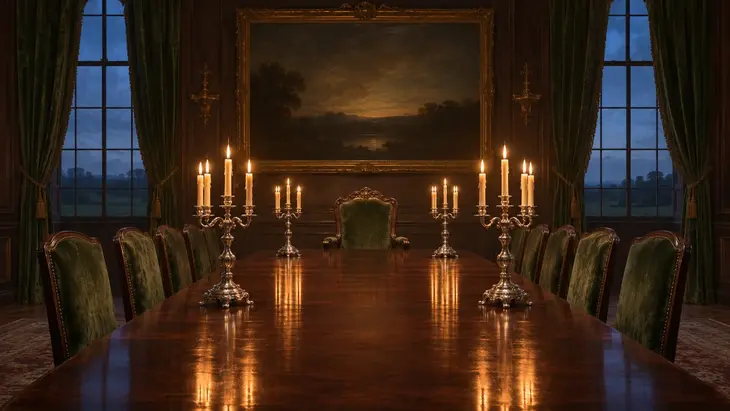
Barry Lyndon’s imagery is associated with painterly compositions and interiors lit by visible sources. The use of ZEISS lenses for the candlelit scenes describes a specific technical solution, not a method used throughout the film. Daytime scenes relied on window light and, when needed, lighting designed to simulate that source. The use of framing and zooms makes it possible to study the relationship between people and landscapes without attributing each shot to a particular painting.
The music of Handel, Schubert, and the Irish repertoire creates associations between episodes and emotional states. Not all the music dates from the 18th century: Schubert’s presence introduces a deliberate anachronism into the film. Credits for arrangements, musical direction, and performances require distinguishing between responsibilities and recordings.
Production took place in Ireland and England, using historic buildings and spaces adapted for the film. The shoot and its location changes make it possible to distinguish filming locations from logistical decisions. The material construction of the period depends on cinematography, costumes, objects, and set design. This page serves as an introduction to these topics: each detailed analysis develops the evidence without repeating the entire story here.