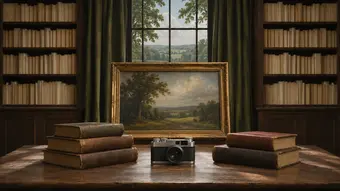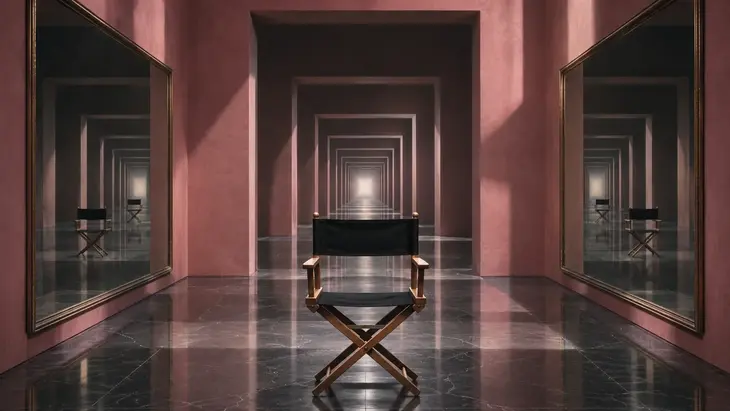
A reference may be an admired work, material that is transformed, or an image used to answer a research question. The nature of the relationship determines what can be said about it.
Expressed admiration and comparisons between films
The relationship with Max Ophuls offers a starting point in statements about camera work and acting. These words provide concrete support for examining an acknowledged influence. A comparison of scenes must still explain what changes when moving from one narrative context to another.
The case of Ingmar Bergman brings together a dated letter and recollections of opinions from other times. Keeping the dates in view avoids reconstructing an unchanging taste. An intense response on one occasion does not warrant assuming the same response to all of the later work.
Accounts of Akira Kurosawa require us to distinguish recollections from correspondence and documents that have actually been consulted. A letter mentioned by a collaborator cannot be cited as though its text had been read. This distinction does not prevent us from studying Kubrick’s cinephilia; it defines the limits of the available evidence.
Reading in search of a film
Reading in search of projects does not mean adapting any book one admires. A story must offer possibilities for bodies, spaces, duration and acting. Choosing a work and deciding how to adapt it are related, but not identical, decisions.
The study of literary adaptations compares the changes these decisions bring about in specific films. This account begins earlier: with what interests the filmmaker in a text, how its viability is assessed, and what collaborators contribute during development. A project may progress through this research without ever reaching production.
It is also important to distinguish authorship and the function of each document. A novel, a synopsis, a screenplay draft and a scene proposal do not represent the same degree of development. Grouping them under the director’s name does not erase the contributions of those who wrote them.
Painting and photography as research materials
pictorial references can be studied through statements, preparatory materials or comparisons of composition. These approaches are not equivalent. A shot that recalls a painting may support an interpretation, but it does not prove that the painting was present during preparation.
Photography has other functions: documenting a location, comparing possibilities, studying a surface or preserving an arrangement. Its use in a working archive differs from that of a photograph published as an autonomous work. The relationship must be established in light of the document and the question it can answer.
This account avoids bringing together references as a list of prestigious names. The question is what connection can be identified, what was done with the material, and where the analyst’s proposed comparison begins. Such precision makes it possible to recognise relationships without attributing an undocumented intention to every resemblance.
Sources for further guidance: Stanley Kubrick interviews; Ingmar Bergman Archives, correspondence; University of the Arts London, Stanley Kubrick Archive. The individual articles identify the accounts and documents used.