A reference photograph, a revised screenplay and a shooting report answer different questions. Recognising their function makes it possible to study specific decisions without turning the label of perfectionism into a universal explanation.
Researching and preparing possibilities
The visual research brings together references that still need to be selected and turned into design solutions. Napoleon and Barry Lyndon help distinguish historical documentation from the decisions needed to construct a scene. Accumulating images is not the same as transferring them literally to a film.
The screenplay versions add another kind of evidence. A draft, some replacement pages and a post-shooting transcript do not occupy the same place in the process. Their dates and attributions must be preserved before comparing what they propose with the released version.
The preparation and review can be examined through recognisable practices: tests, comparisons of alternatives and documented changes. This approach avoids inferring a personality or a number of repetitions from the director’s public reputation.
Filming, identifying and finishing
The continuity reports and slate references connect filmed actions with production records. They help identify material, but an isolated note does not certify which take appears in the final cut. Establishing that link requires comparing documents and images.
Post-production comprises different operations: narrative selection, editing dialogue and effects, music editing, mixing and picture finishing. Credits and working materials make it possible to describe these roles without attributing their entire execution to Kubrick.
Reading sources with different scopes
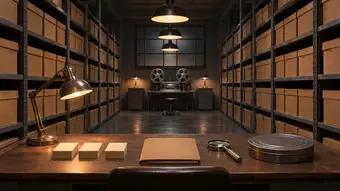
The Kubrick archive preserves types of material that must be interpreted according to their provenance and purpose. Its existence does not provide a complete account of every day’s work. A catalogue record identifies a document, but does not replace reading its contents.
Comparing testimonies, contemporary records and films helps address discrepancies. A recollection may explain an experience that was not written down; a dated record may clarify the sequence of events. When they do not resolve a difference, preserving it is more informative than combining incompatible versions into an apparently continuous story.
Sources: Stanley Kubrick Archive, University of the Arts London, general description of the collection and development, production and post-production series.