Barry Lyndon, directed by Stanley Kubrick in 1975, follows a young Irishman who tries to rise through 18th-century European society. This guide brings together the main pathways for studying the film.
The film and its two broad movements
Barry Lyndon is a loose adaptation of William Makepeace Thackeray’s The Luck of Barry Lyndon. Redmond Barry, played by Ryan O’Neal, leaves his Irish surroundings and passes through military experiences, alliances and social opportunities before becoming part of the Lyndon family. The film is divided into two broad parts, presenting his rise and the consequences of his new position. Michael Hordern’s narration introduces foreshadowing and commentary that alter the relationship between what the protagonist expects and what the viewer knows.
The story brings together family relationships, changing fortunes and forms of public recognition. To follow the character, it is helpful to begin with Redmond Barry’s journey and then consider the scope for decision-making available to Lady Lyndon and the conflict with Lord Bullingdon. These pages examine different relationships: social ambition, domestic authority and inheritance. The film can also be read through Bryan’s childhood and through secondary characters who shape Barry’s movements.
The film is generally known as Barry Lyndon, although the source novel and its editions have circulated under different titles. These literary titles should not be confused with alternative cuts of the film. Age classifications depend on the country, date, authority and version; a US rating does not automatically apply in other markets.
Two ways into the film: duels and narration
The duels at the beginning and towards the end make it possible to compare a situation in which Barry tries to assert his position with another in which his decisions have familial and material consequences. The staging pays close attention to turns, distances and waiting. Violence is governed by social forms that do not remove its risks. Other military and domestic episodes show people exposed to orders or dependent relationships, though they do not all involve the same kind of confrontation.
The narrator’s voice offers a second route. Its foreshadowing can rob an event of surprise and shift interest towards the way it unfolds. This distance alters how gestures, silences and promises are perceived. Barry and Lady Lyndon’s courtship shows how the gaze and music can take the place of lengthy verbal explanation. Gender roles and social criticism emerge from specific positions within families, armies and drawing rooms, rather than from a single thesis voiced by a character.
Controversies and historical reception should be studied through dated documents. A negative review, a delayed release or a distribution decision does not, on its own, prove institutional censorship. This guide points towards detailed studies without attributing the same exhibition history to every country.
Cinematography, music and the making of the 18th century
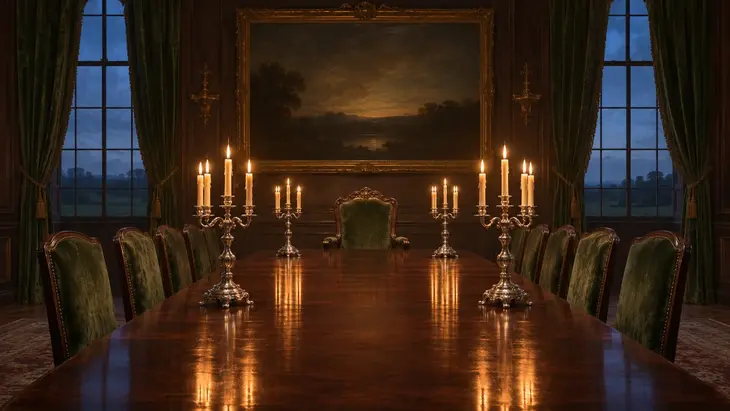
The imagery of Barry Lyndon is associated with painterly compositions and interiors lit by visible sources. The use of ZEISS lenses for the candlelit scenes describes a specific technical solution, not a method used throughout the film. Daytime scenes used light from windows and, where necessary, lighting designed to simulate that source. Framing and zooms allow us to study the relationship between people and landscapes without attributing every shot to a specific painting.
The music of Handel, Schubert and Irish repertoire creates associations between episodes and emotional states. Not all the music comes from the 18th century: Schubert’s presence introduces a deliberate anachronism into the film experience. Credits for arrangements, musical direction and performance require us to distinguish between responsibilities and recordings.
The production took place in Ireland and England, using historic buildings and spaces adapted for the fiction. The shoot and its location changes help distinguish filming locations from logistical decisions. The material construction of the period depends on cinematography, costume, objects and the design of spaces. This page serves as an introduction to these topics: each specific analysis develops the evidence without repeating the entire story here.